Comparative Evolutionary Anthropology (CEA) Lab
I lead the Comparative Evolutionary Anthropology (CEA) group at the University of Oxford. We study human uniqueness in comparative context, using phylogenetic methods, 3D morphometrics and the fossil record to understand primate and hominin evolution. People, current research, publications and opportunities are on the lab website.
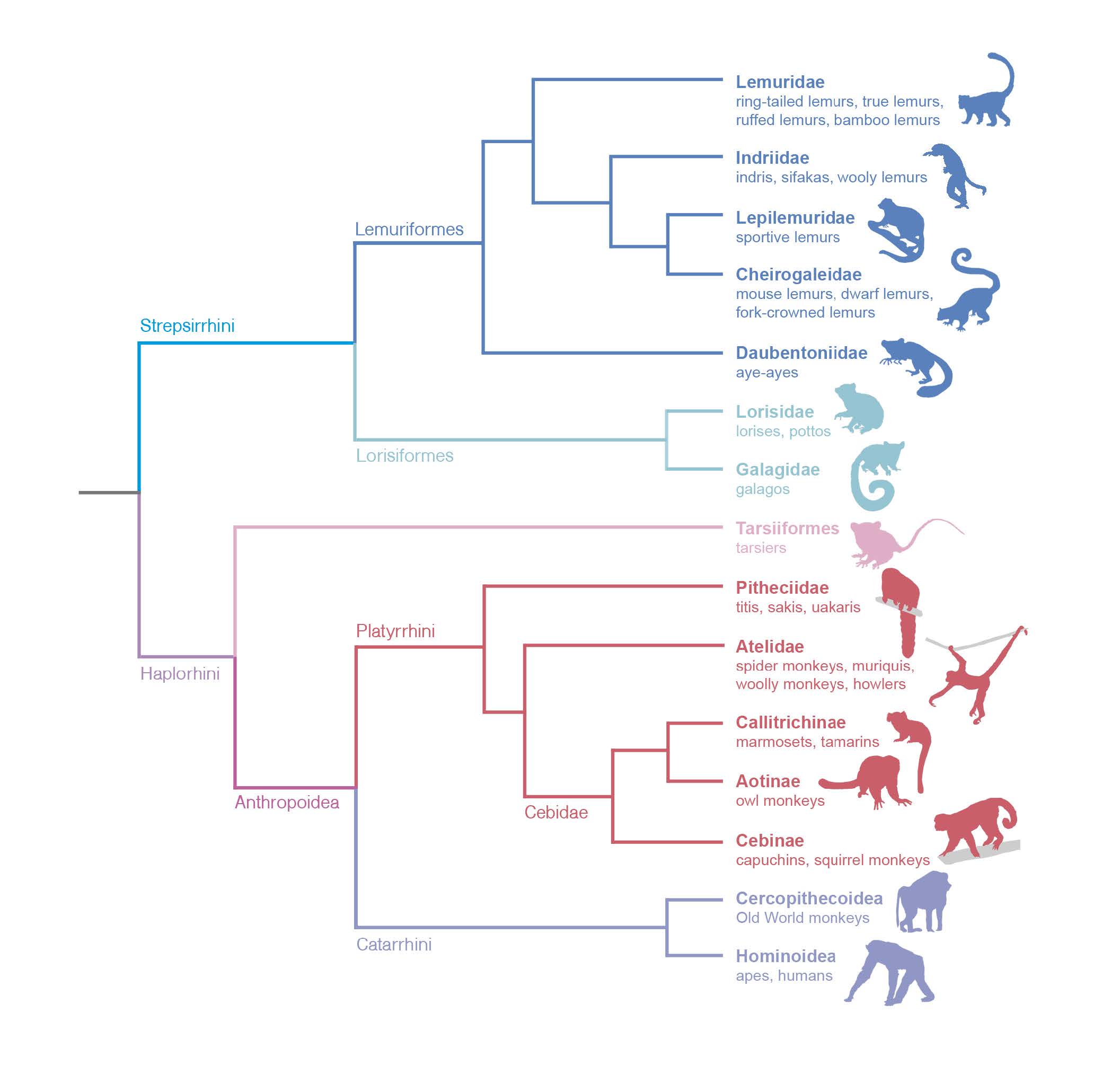
• Laboratory: The lab is devoted to the comparative and macroevolutionary study of primate and human evolution: how anatomy, behaviour, cognition and life history have changed through time, and how those changes relate to ecology and environment. Our primary objective is to identify which features of our species are genuinely distinctive, which are shared with our relatives, and which arose repeatedly across the tree of life, and to elucidate the evolutionary pathways behind present-day and past variation in the primate clade. Key questions include: What mechanisms explain the evolution of key primate and human innovations, such as bipedalism, large brains, tool use and handedness? What factors drive diversity patterns in primates? Are certain lineages or traits more prone to evolutionary change? How do behaviour and morphology evolve together, and what is their ecological significance? The empirical focus lies with traits of key relevance to understanding mammalian, primate and human evolution, from the musculoskeletal system and brain and body size to behaviours such as manual lateralisation and responses to death. Core approaches include phylogenetic comparative methods, 3D morphometrics, virtual biomechanics, phylogenetics and the study of the fossil record.